



'%3e%3cpath%20d='M12.4997%201.33325C10.39%201.33325%208.32772%201.95884%206.5736%203.13091C4.81947%204.30298%203.4523%205.96888%202.64496%207.91796C1.83763%209.86704%201.62639%2012.0118%202.03797%2014.0809C2.44955%2016.15%203.46545%2018.0506%204.95721%2019.5424C6.44897%2021.0342%208.34959%2022.0501%2010.4187%2022.4616C12.4878%2022.8732%2014.6326%2022.662%2016.5816%2021.8546C18.5307%2021.0473%2020.1966%2019.6801%2021.3687%2017.926C22.5408%2016.1719%2023.1663%2014.1096%2023.1663%2011.9999C23.1663%209.17094%2022.0425%206.45783%2020.0422%204.45745C18.0418%202.45706%2015.3287%201.33325%2012.4997%201.33325ZM12.4997%2021.3333C10.6537%2021.3333%208.84922%2020.7859%207.31436%2019.7603C5.7795%2018.7347%204.58322%2017.2771%203.8768%2015.5716C3.17039%2013.8662%202.98555%2011.9896%203.34568%2010.1791C3.70581%208.36859%204.59473%206.70554%205.90002%205.40025C7.20531%204.09496%208.86835%203.20605%2010.6788%202.84592C12.4893%202.48579%2014.3659%202.67063%2016.0714%203.37704C17.7768%204.08346%2019.2345%205.27974%2020.2601%206.8146C21.2856%208.34945%2021.833%2010.154%2021.833%2011.9999C21.833%2014.4753%2020.8497%2016.8492%2019.0993%2018.5996C17.349%2020.3499%2014.975%2021.3333%2012.4997%2021.3333Z'%20fill='white'/%3e%3cpath%20d='M19.167%208.06667C19.042%207.9425%2018.8731%207.8728%2018.697%207.8728C18.5208%207.8728%2018.3519%207.9425%2018.227%208.06667L10.8269%2015.4333L6.82695%2011.4333C6.70495%2011.3016%206.53562%2011.2237%206.35621%2011.2169C6.1768%2011.21%206.00201%2011.2747%205.87028%2011.3967C5.73856%2011.5187%205.66069%2011.688%205.65382%2011.8674C5.64694%2012.0468%205.71162%2012.2216%205.83362%2012.3533L10.8269%2017.3333L19.167%209.01333C19.2294%208.95136%2019.279%208.87762%2019.3129%208.79638C19.3467%208.71514%2019.3642%208.62801%2019.3642%208.54C19.3642%208.45199%2019.3467%208.36485%2019.3129%208.28361C19.279%208.20237%2019.2294%208.12864%2019.167%208.06667Z'%20fill='white'/%3e%3c/g%3e%3cdefs%3e%3cclipPath%20id='clip0_2790_31187'%3e%3crect%20width='24'%20height='24'%20fill='white'%20transform='translate(0.5)'/%3e%3c/clipPath%3e%3c/defs%3e%3c/svg%3e)

Layer 1 Protocol Audit Services
A layer 1 protocol audit reviews your consensus mechanism, node software, and networking layer before mainnet—where a systemic flaw can't be patched the way an application bug can.
Consensus ReviewNode SoftwareP2P NetworkingProtocol-Matched AuditorsMainnet Readiness
TRUSTED BY









Why Choose HackenProof for Layer 1 Audits?
9+Years Experience
82,000+Verified Security Researchers
85,000+Validated Vulnerability Reports
1,100+Critical Vulnerabilities Detected
500+Projects Secured
$95B+In User Funds Protected
What Does a Layer 1 Protocol Audit Cover?
Unlike a smart contract audit, a layer 1 audit reviews the base protocol itself—the systems every application on your chain depends on:
Inflation bugs
Errors in token issuance or reward logic that let an attacker mint tokens outside the intended supply schedule
Node software vulnerabilities
Bugs in client implementation that could crash nodes, corrupt state, or be exploited for remote code execution
P2P networking flaws
Weaknesses in how nodes discover and communicate with each other, including eclipse and Sybil attack surfaces
Validator/staking logic errors
Flaws in slashing conditions, delegation, or reward distribution that could be gamed or exploited
Chain reorganization risks
Conditions that make deep reorgs cheaper or more likely than your security model assumesTwo Formats, One Goal: A Secure Protocol
Both formats give you access to the same pool of vetted, protocol-matched auditors. The difference is in privacy, pace, and how your engagement is structured.
Curated Private Layer 1 Audit
A private, invite-only review by a handpicked team of auditors experienced in consensus design and node-level security. Your codebase stays under NDA, and confirmed findings appear in your dashboard as they're validated—so your team can start fixing before the final report lands.- Handpicked auditors matched to your consensus mechanism and client language
- Full confidentiality — NDA-protected reports, encryption on request
- Findings delivered in real time, not just at the end
- Fixed price agreed upfront
- Branded final report, ready for due diligence or fundraising


Crowdsourced Layer 1 Audit Competition
Open your protocol to HackenProof's global community of 82,000+ verified researchers in a time-boxed audit competition. More reviewers, more attack angles—well-suited to public testnets and codebases where broader coverage matters more than confidentiality, in Traditional (fixed budget) or Conditional (pay-per-finding) format.- Access to 82,000+ verified researchers across every major consensus model
- Broader coverage from diverse attack methodologies
- Traditional or Conditional budget structure—your choice
- Triage and validation included, so you only see confirmed findings
- Branded final report included
Which Layer 1 Protocols Does HackenProof Audit?
We match you with auditors experienced in your specific consensus model and client implementation — not generalists learning your protocol on your dime. Our team has audited layer 1 and layer 0 protocols, including Vechain, Somnia, ZichChain, Zilliqa, Mina, KiiChain, Soda labs, across proof-of-stake, delegated proof-of-stake, and novel consensus designs.



How Our Layer 1 Protocol Audit Process Works
Scoping
You share your protocol docs, node software repo, and consensus design; we define coverage and timeline
Consensus & protocol review
Auditors manually assess your consensus algorithm, incentive design, and economic assumptions for exploitable edge cases
Node software & network review
Static analysis and manual review of client code, plus assessment of P2P networking and node-to-node communication
Report delivery
Findings ranked by severity, each with a proof of concept and remediation recommendation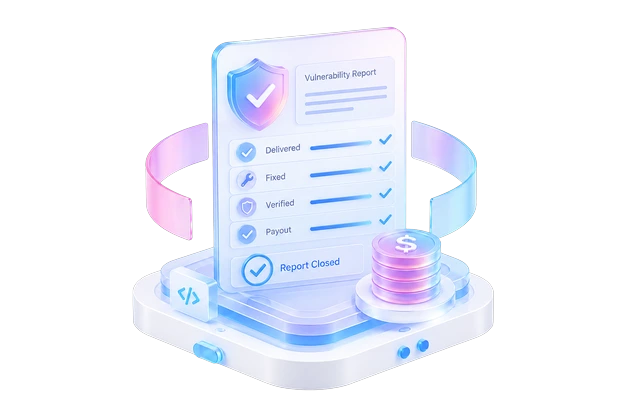
Retest
Once fixes are shipped, we verify each finding is resolved before sign-off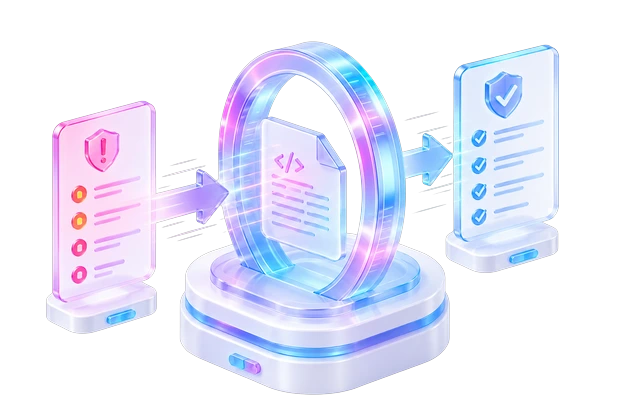

How Much Does a Layer 1 Protocol Audit Cost?
Cost depends on the complexity of your consensus mechanism, the size of your node software codebase, and how many client implementations are in scope—a novel consensus design carries a very different price tag than an established fork. Request a scoped quote, and we'll match you with auditors and a price range based on your actual protocol, not a flat-rate estimate.Our Customers
HackenProof cut our overhead significantly. Centralized report management, consistent triage across all submissions, duplicates filtered automatically. Their team adapts quickly — which matters a lot when AI is reshaping the threat landscape.

Switching to Hackenproof has been a game-changer for Sui. The expertise and dedication of the Hackenproof community have not only enhanced the security of the Sui ecosystem but have also instilled greater confidence in our community. We’re thrilled with the progress we’ve made together and are excited about what we can achieve as we keep working together.

We ran a DualDefense audit with the HackenProof team to add an extra security layer on top of our initial audit. The whole process was smooth and seamlessly organized. What we valued most is how the DualDefense team filtered and deeply reviewed the findings before handing them over, the experience of the review team really showed in that prework, and it made our job significantly easier. We got exactly the results we expected, and we'd happily recommend DualDefense to other projects. We're definitely looking forward to working together again.

Our partnership with HackenProof has been ongoing for more than 8 years, helping us continuously strengthen the security of the VeChain ecosystem, including our L1 infrastructure and the solutions built around it. Their deep understanding of our technology, architecture, and security needs allows them to provide valuable insights and effective security solutions. From managing our bug bounty program to conducting DualDefense audits, HackenProof has become a trusted long-term security partner supporting our ongoing security efforts

After completing our initial security audit, we wanted to add an extra layer of confidence before moving forward. The DualDefense Audit by HackenProof allowed our protocol to be reviewed by an additional community of security researchers, helping us validate our security posture from multiple perspectives. The process was smooth and well-organized, and HackenProof provided valuable support throughout the engagement.
HackenProof cut our overhead significantly. Centralized report management, consistent triage across all submissions, duplicates filtered automatically. Their team adapts quickly — which matters a lot when AI is reshaping the threat landscape.
Switching to Hackenproof has been a game-changer for Sui. The expertise and dedication of the Hackenproof community have not only enhanced the security of the Sui ecosystem but have also instilled greater confidence in our community. We’re thrilled with the progress we’ve made together and are excited about what we can achieve as we keep working together.
We ran a DualDefense audit with the HackenProof team to add an extra security layer on top of our initial audit. The whole process was smooth and seamlessly organized. What we valued most is how the DualDefense team filtered and deeply reviewed the findings before handing them over, the experience of the review team really showed in that prework, and it made our job significantly easier. We got exactly the results we expected, and we'd happily recommend DualDefense to other projects. We're definitely looking forward to working together again.
Our partnership with HackenProof has been ongoing for more than 8 years, helping us continuously strengthen the security of the VeChain ecosystem, including our L1 infrastructure and the solutions built around it. Their deep understanding of our technology, architecture, and security needs allows them to provide valuable insights and effective security solutions. From managing our bug bounty program to conducting DualDefense audits, HackenProof has become a trusted long-term security partner supporting our ongoing security efforts
After completing our initial security audit, we wanted to add an extra layer of confidence before moving forward. The DualDefense Audit by HackenProof allowed our protocol to be reviewed by an additional community of security researchers, helping us validate our security posture from multiple perspectives. The process was smooth and well-organized, and HackenProof provided valuable support throughout the engagement.
1 of 5